



@AroundJax
Researched and Created by Reather Ballard, Human Resources
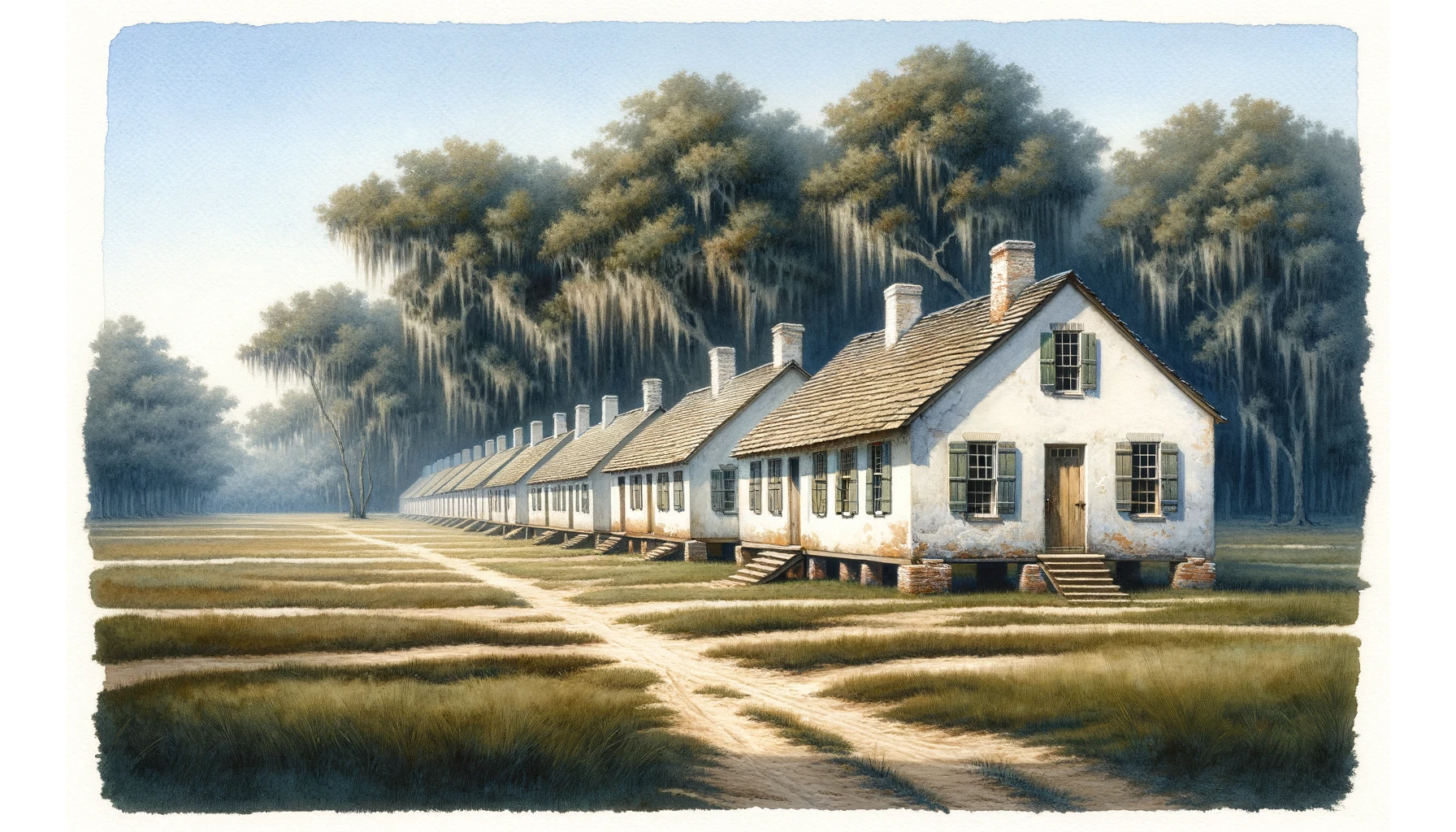
Kingsley Plantation, nestled amidst the lush greenery of Florida, stands as a testament to a bygone era, its history woven with threads of ambition, resilience, and the ever-shifting tides of power. This February, as we celebrate Black History Month, let us delve into the captivating narrative of the people who shaped this land, their stories offering a poignant glimpse into the intricacies of race, freedom, and family in the 18th and 19th centuries.
Zephaniah Kingsley, a wealthy slave trader and merchant, arrived in Florida seeking to carve his fortune from the fertile soil. He established plantations, amassing wealth through the labor of enslaved individuals. However, Kingsley’s story takes an unexpected turn with his marriage to Anna Madgigine Jai, a formerly enslaved woman from West Africa. Freed by Kingsley in 1811, Anna became a plantation manager, demonstrating the complex dynamics of power and interracial relationships at the time.
Florida, under Spanish rule, presented a unique landscape for people of color. Unlike the rigid American system, Spanish policies allowed for a class of free people of color and even the possibility of enslaved individuals purchasing their freedom. This relative fluidity is exemplified by Anna’s own journey from bondage to ownership of land and slaves.
However, the acquisition of Florida by the United States in 1821 dramatically altered the landscape. The newly established territorial government implemented harsh laws, prohibiting interracial marriage and stripping free blacks and mixed-race individuals of inheritance rights. Fearing for his family’s future in this climate of “intolerant prejudice,” Kingsley made a bold decision. He sent his wives, children, and some formerly enslaved people to Haiti, a newly formed free black republic, seeking refuge and a more just society.
Kingsley’s actions not only highlight the dangers faced by people of color under oppressive regimes but also challenge the very notion of slavery as an immutable condition. He believed, as he himself stated, that “color and condition are two very separate qualities,” questioning the arbitrary nature of a system that judged individuals solely based on their skin tone.
Kingsley Plantation serves as a powerful reminder that history is not merely a collection of dates and events. It is a tapestry woven from the lives and experiences of individuals, each thread adding depth and complexity to the narrative. As we celebrate Black History Month, let us remember the stories of those who lived, loved, and fought for freedom within the walls of Kingsley Plantation, their struggles and triumphs echoing through the ages.
