


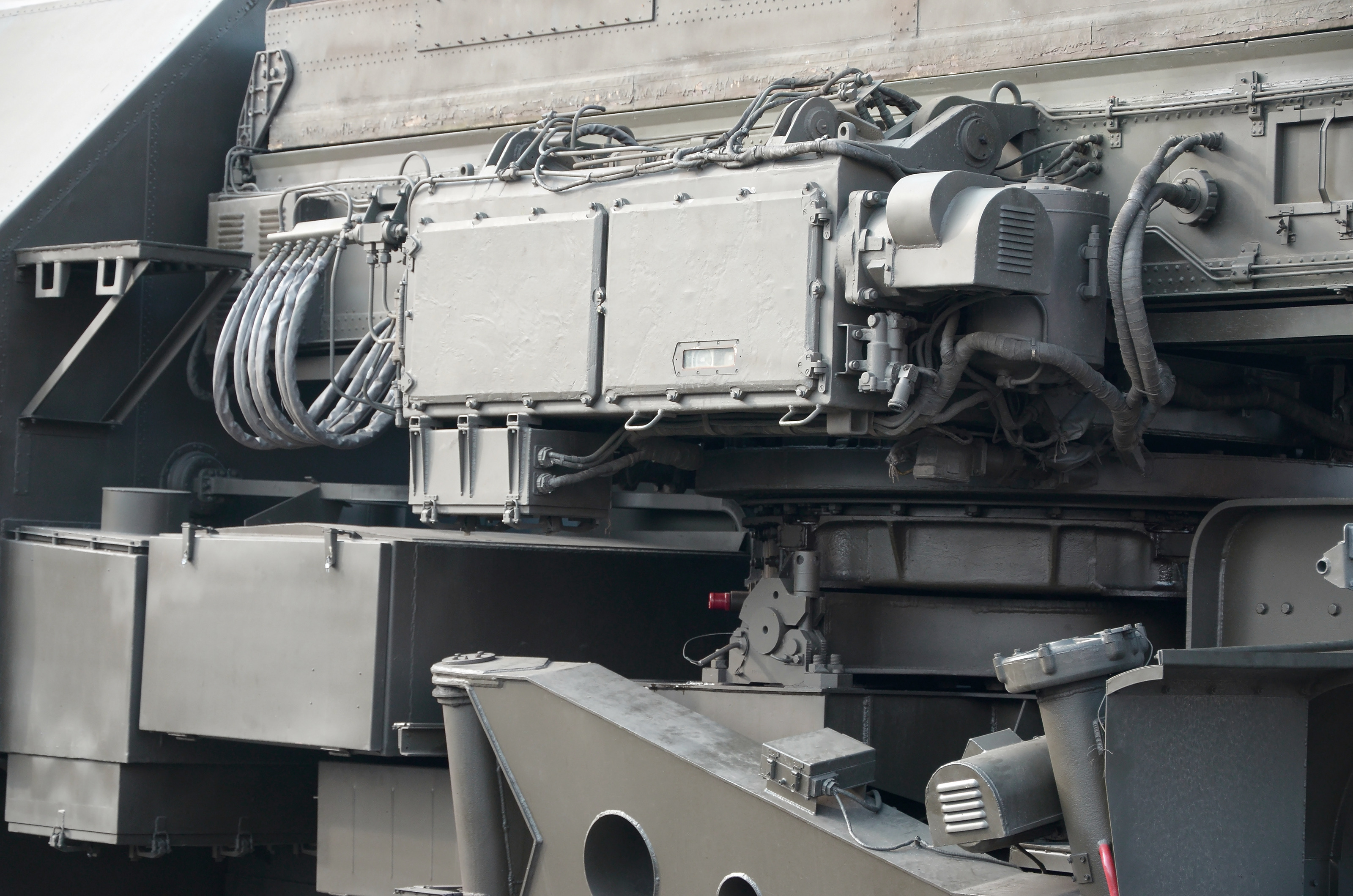

The military industrial sector is currently undergoing significant shifts in both its workforce and technological priorities.
Workforce Challenges and Opportunities in the Military Industrial Sector
The defense industry, still reeling from the initial COVID-19 outbreak, faces challenges in attracting and retaining key talent. The 2022 Aerospace & Defense Workforce Study highlighted a specific shortage of workers skilled in engineering and with strong digital capabilities, including data analytics and automation. This demand for digital skills in the defense workforce is a relatively new development.
A significant factor contributing to the talent shortage is the inability of academia to keep pace with the changing needs of the defense industry. Defense companies like Lockheed Martin are addressing this gap through apprenticeship programs and partnerships with educational institutions. However, the industry is also grappling with an aging workforce and the need for improved compensation practices in the face of rising inflation. Further, companies face retention challenges at the executive level, influenced by factors like fluctuating stock markets and the dual nature of businesses serving both commercial and defense customers. These workforce challenges are long-term structural issues, requiring a concerted effort from defense companies to articulate their unique value propositions to potential employees.
Cutting Edge Priorities in Defense Technology
The defense sector is witnessing rapid advancements in several key areas:
- Robotics and Artificial Intelligence: The market for military robots is anticipated to reach $24.2 billion by 2025, reflecting the growing emphasis on AI and robotics in military applications.
- Hypersonic Systems: Advanced hypersonic military systems, capable of flying at low altitudes and maneuvering in the air, are now being tested and launched, posing challenges for current missile defense systems.
- Cyber-Warfare: The rise of cyber-warfare has led to new challenges in defense, characterized by ambiguity and deniability, making it difficult for officials to prevent attacks and make quick decisions.
- 3D Printing: The U.S. Army is leveraging 3D printing for manufacturing new forms of munitions and potentially creating entire military truck exteriors, signaling a shift towards innovative manufacturing methods.
- Directed Energy Weapons: The directed energy weapon market, valued at $4.3 billion, is projected to reach $10.1 billion by 2026. These weapons offer numerous benefits, such as silent operation and the ability to engage multiple targets simultaneously.
- Electronic Warfare and Communication Jammers: Renewed focus on electronic warfare has led to significant investments in communication jamming technologies, with the military working to double the capabilities of current systems and exploring options like high-powered, agile beam-jamming techniques.
Skills Needed to Compete in the Defense Sector
Given these technological advancements, professionals aspiring to compete in the defense sector should focus on developing skills in areas like:
- Engineering and Digital Capabilities: Proficiency in engineering, particularly in areas like AI, robotics, hypersonic systems, and cyber-security.
- 3D Printing and Manufacturing: Skills in additive manufacturing and understanding of new material properties.
- Software Development and Cybersecurity: Expertise in software engineering and cybersecurity to address the challenges of modern warfare.
- Electronics and Communication: Knowledge of electronic warfare systems and communication jamming technologies.
Conclusion
The military industrial sector is at a critical juncture, facing workforce shortages while simultaneously advancing in cutting-edge technologies. For professionals in this sector, staying abreast of these technological trends and developing relevant skills is crucial for success in an ever-evolving landscape.
