


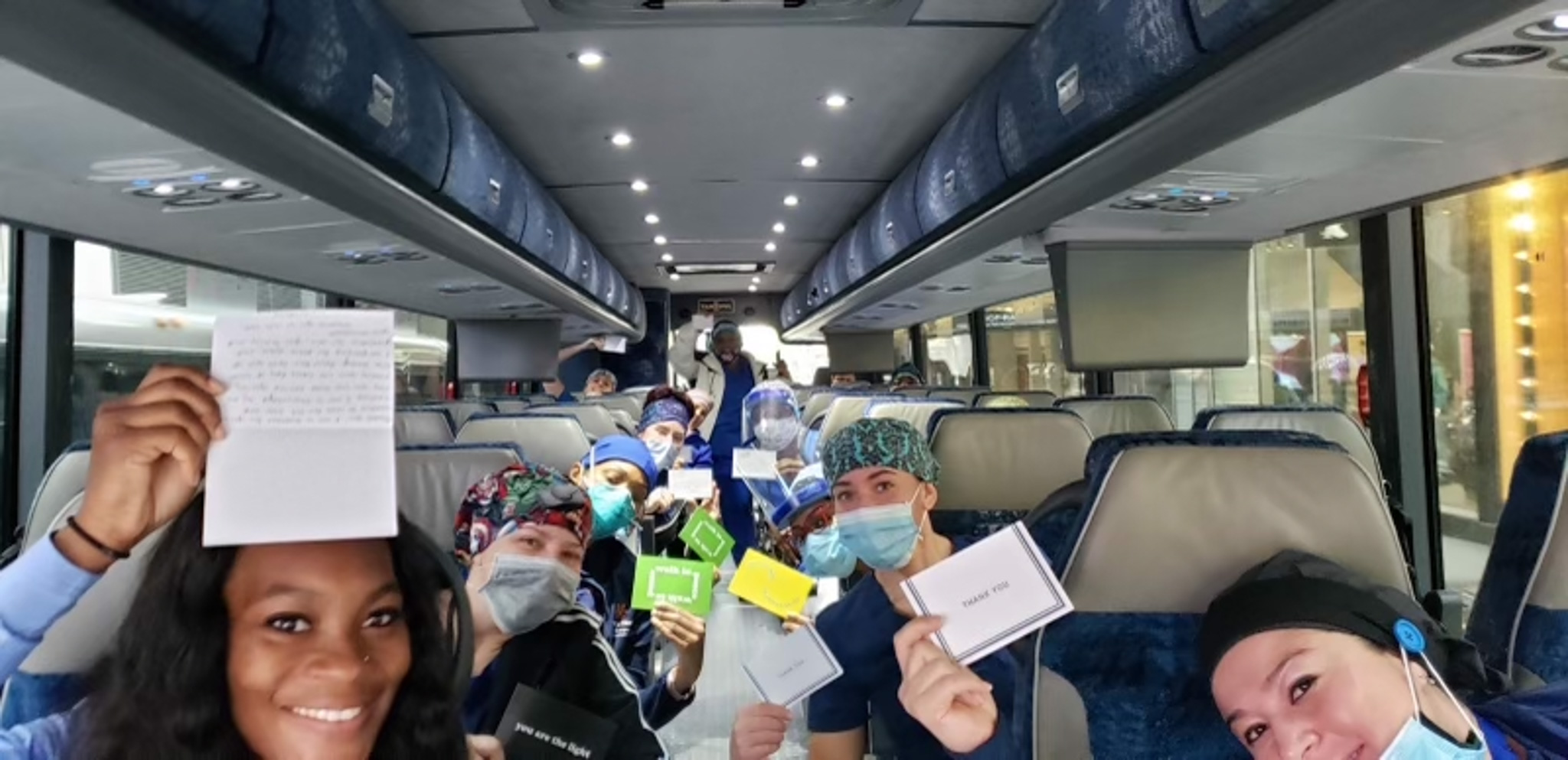

The use of temporary and emergency healthcare staffing during disaster situations is a critical component in managing crises like the COVID-19 pandemic, Hurricane Ida, and the wars in the Sahel, Ukraine, and the Levant. These scenarios present unique challenges and require adaptable solutions to ensure effective healthcare delivery. Each member of the Eutis team has experience in disaster preparation and response; we are uniquely equipped to handle the following challenges in the current environment.
1. Challenges in Providing Healthcare in Disaster Situations
A. Overwhelming Demand for Medical Services: In crises like pandemics or natural disasters, healthcare systems often face an unprecedented surge in patients. This surge can overwhelm existing healthcare facilities, leading to shortages of beds, medical equipment, and staff.
B. Infrastructure Damage and Accessibility Issues: Natural disasters such as hurricanes often result in significant damage to healthcare facilities, making them partially or entirely unusable. In conflict zones like Ukraine, access to healthcare facilities can be hindered by active conflict, making it difficult for both patients to receive care and staff to provide it.
C. Psychological Stress on Healthcare Workers: The intensity and scale of these crises can lead to increased stress and burnout among healthcare workers, impacting their ability to provide care effectively.
2. Role of Temporary and Emergency Healthcare Staffing
A. Rapid Deployment of Personnel: Staffing agencies specialize in quickly mobilizing healthcare professionals to areas where they are most needed. During the COVID-19 pandemic, for example, agencies were instrumental in relocating doctors and nurses to hotspots.
B. Specialized Skill Sets: These agencies often have access to a pool of professionals with specific skills tailored for emergency situations, such as disaster medicine or trauma care, which are crucial in managing the unique demands of such crises.
3. Coping Strategies for Staffing Agencies
A. Flexible and Scalable Staffing Solutions: Agencies adapt by offering flexible contracts that can be quickly scaled up or down depending on the evolving needs of the crisis.
B. Support and Training for Deployed Staff: Providing psychological support and specialized training for staff before and during their deployment is key. This includes preparing them for the challenging working conditions and potential mental health impacts.
C. Collaboration with Governments and NGOs: Effective collaboration with local governments and non-governmental organizations is essential for coordinating efforts and ensuring that resources are utilized efficiently.
4. Lessons Learned and Future Directions
A. Importance of Preparedness: The COVID-19 pandemic highlighted the need for better preparedness in healthcare systems globally. This includes having a robust plan for emergency staffing.
B. Technological Integration: Utilizing telemedicine and other technological solutions can help mitigate some of the challenges faced in disaster scenarios, especially in terms of accessibility and reducing the strain on physical facilities.
C. Building Resilient Healthcare Systems: There’s a growing recognition of the need to build more resilient healthcare systems that can better withstand the shocks of large-scale emergencies, part of which involves having a flexible staffing strategy.
5. Conclusion
Temporary and emergency healthcare staffing plays a vital role in disaster situations by providing rapid, flexible, and specialized personnel support. The experiences from events like Hurricane Ida, the COVID-19 pandemic, and the current wars around the globe have underscored the importance of preparedness, resilience, and adaptability in healthcare systems. As challenges continue to evolve, so too must the strategies and collaborations between staffing agencies, governments, and healthcare providers to ensure effective and timely healthcare delivery in times of crisis. Due to the experience of the Eutis team, especially founder Stephanie Rone, provides an effective foundation to face these challenges.
